Junior scientific award
In order to recognize contributions to the science of complex systems the society has established several awards. The junior scientific award is granted by the society to young researchers (up to ten years after PhD completion) who have achieved outstanding results in complexity science in the areas representative of the CSS.
Awardees

Rafael Prieto-Curiel
2025
For his significant contributions to complex systems research through innovative mathematical modelling of social phenomena, particularly in three key areas — cartel dynamics, urban systems, and migration patterns — along his capacity to engage and communicate with non-academic actors and organisations with the potential to carry out actions of high social impact.
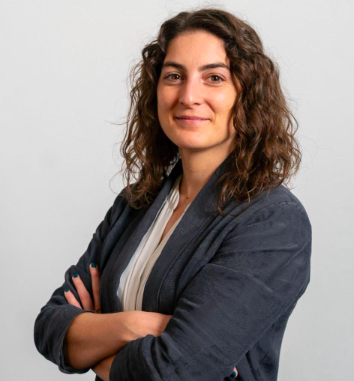
Elisa Omodei
2024
For her outstanding scientific contributions and the key role that she has played in bringing together complexity science and the development and humanitarian world.
Alexandre Nicolas
2024
For his contributions to mathematical epidemiology and granular media, in particular its application to pedestrian dynamics
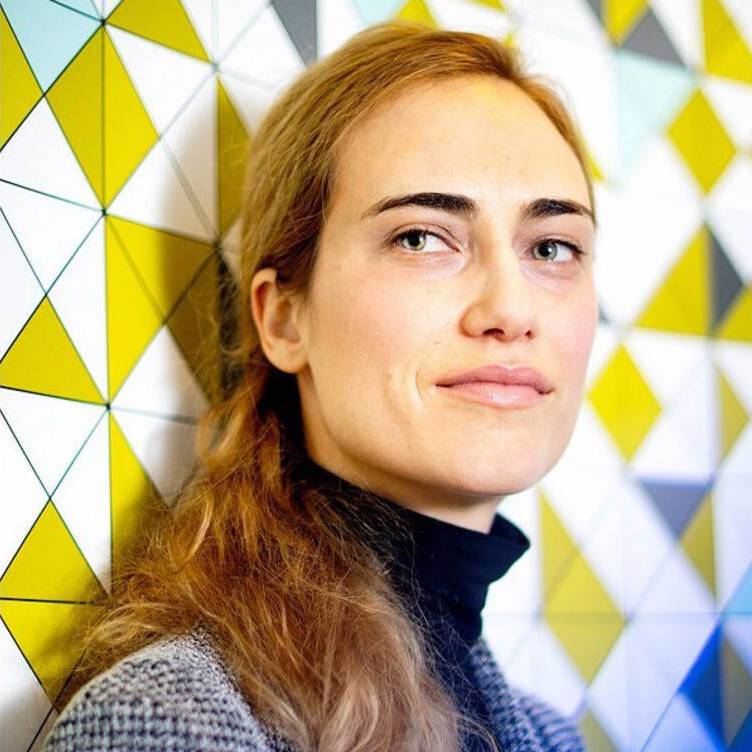
Giulia Menichetti
2023
For initiating the complexity science of food with wide-reaching implications for health research.
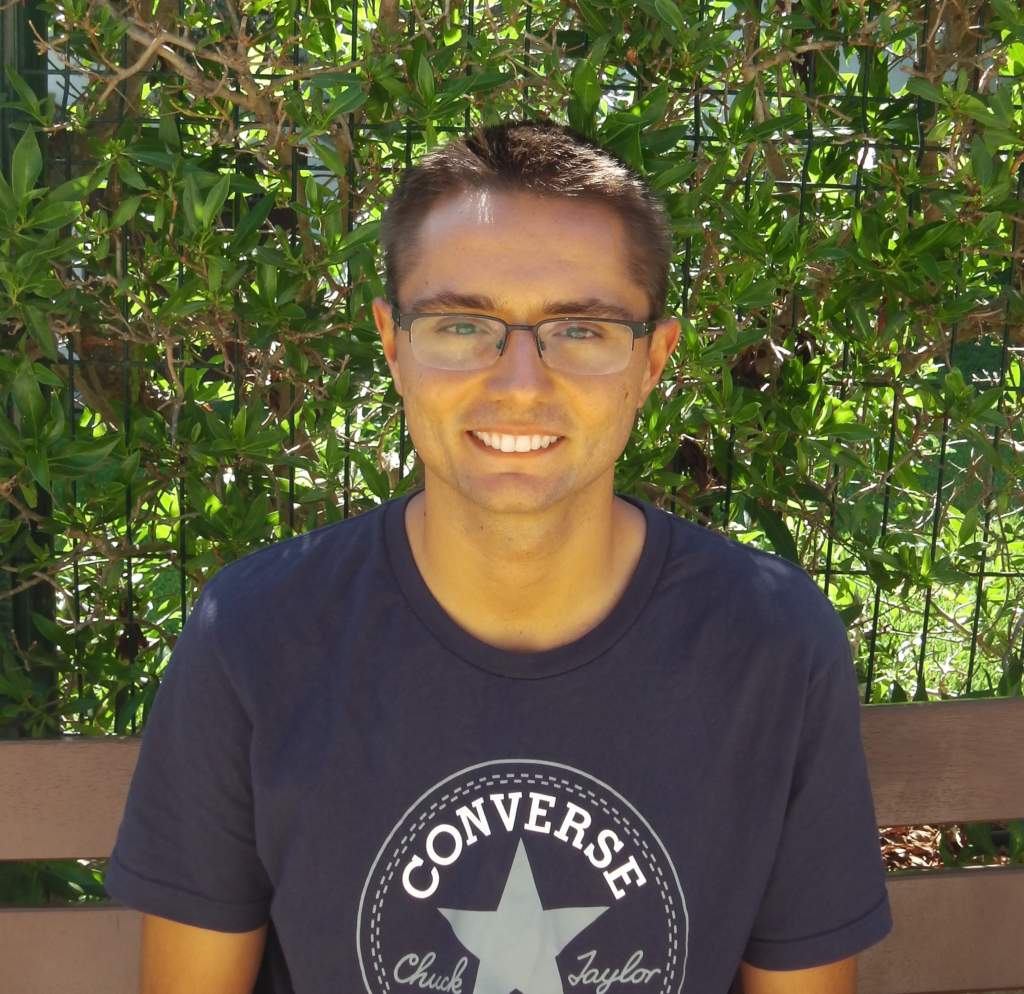
Ricardo Martínez-García
2023
For his theoretical work on evolutionary, organizational, and ecological collective dynamics.
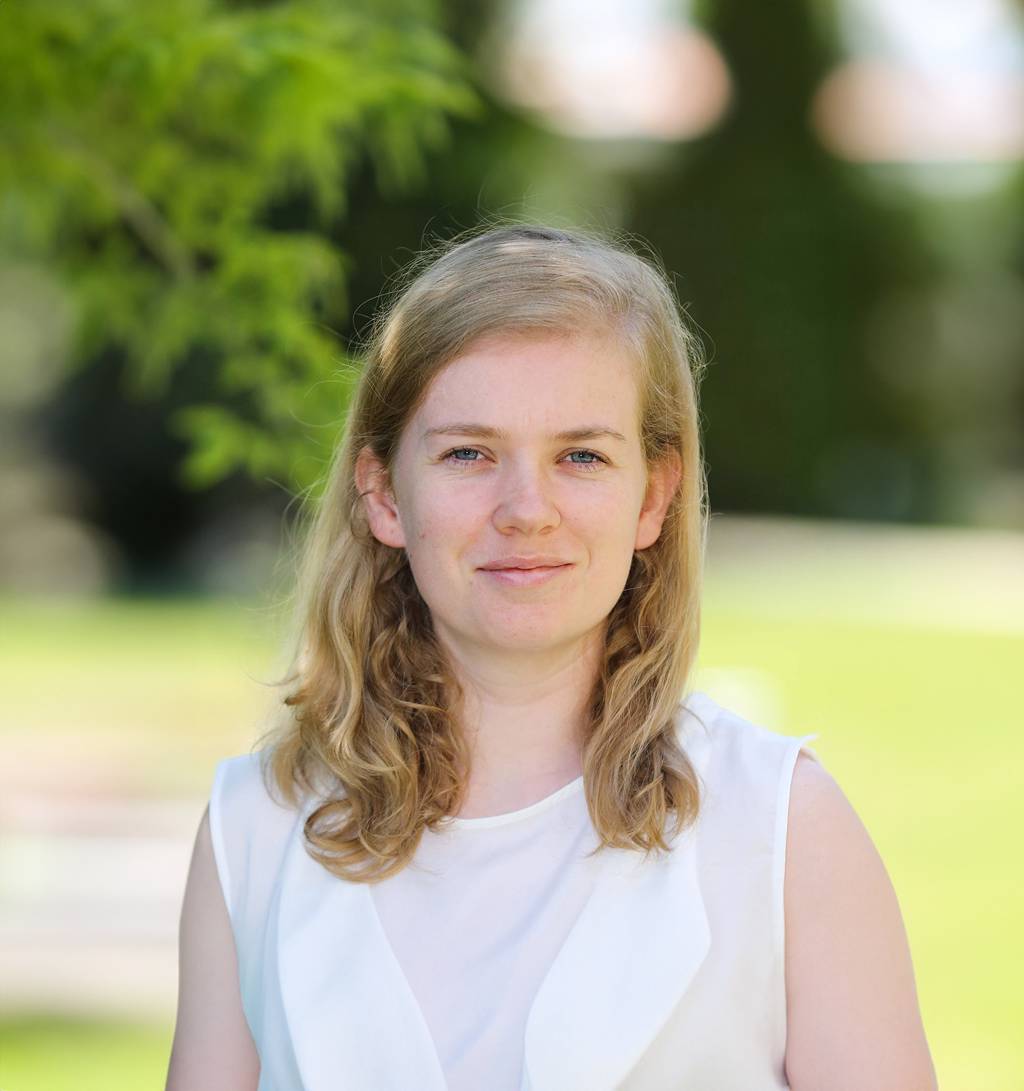
Neave O'Clery
2022
For her contributions using complex systems and complex networks methodologies, including machine learning approaches, to the field of economic geography, and for her contributions to creating bridges between science and policy making.
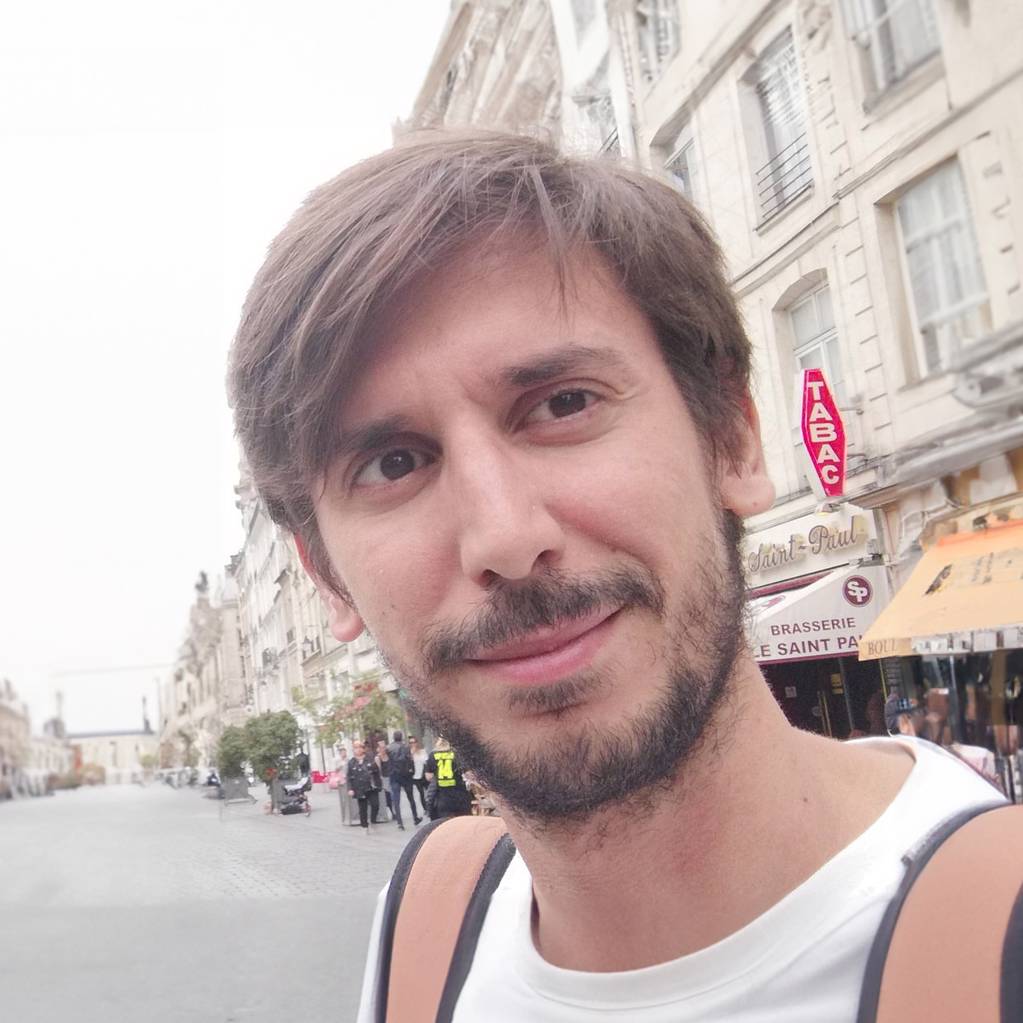
Federico Battiston
2022
For his key and pioneering contributions on generalized network structures such as multilayer and higher-order networks, and for his many contributions to the structuring and development of the complex systems community.
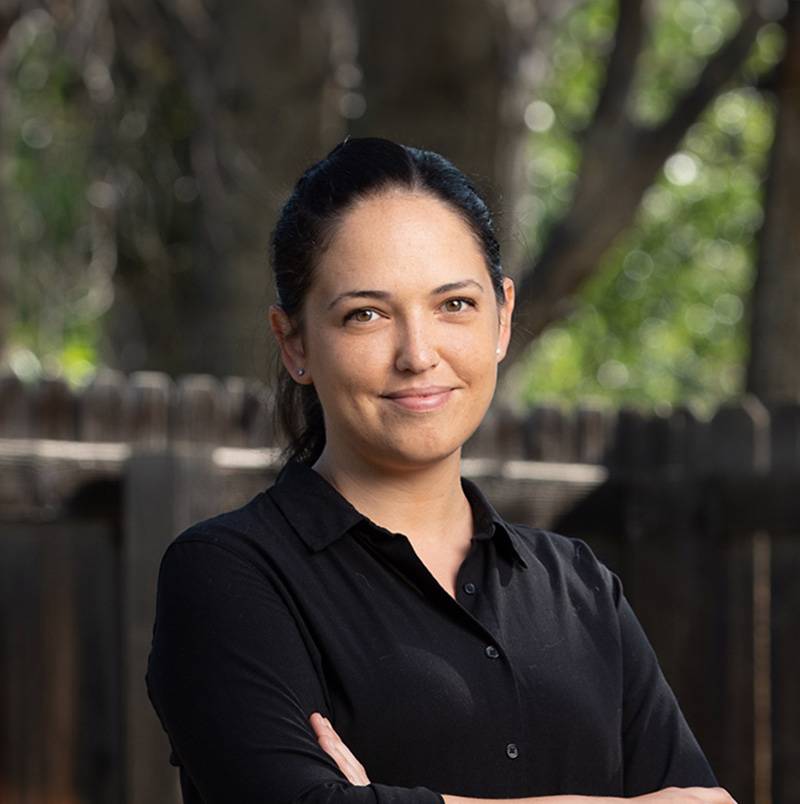
Dr. Orit Peleg
2021
For her contributions to the understanding of collective dynamics.
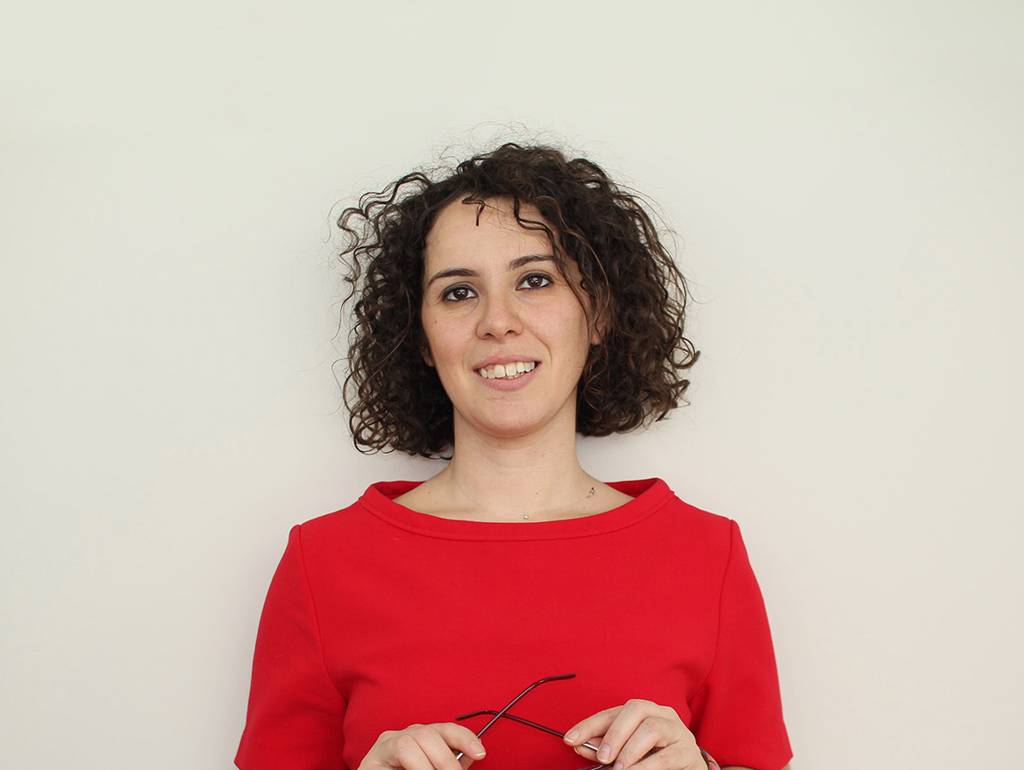
Roberta Sinatra
2020
For their pioneer contributions to the science of science and success, having had an impact in multiple fields, from network science to computational social science and scientometrics.
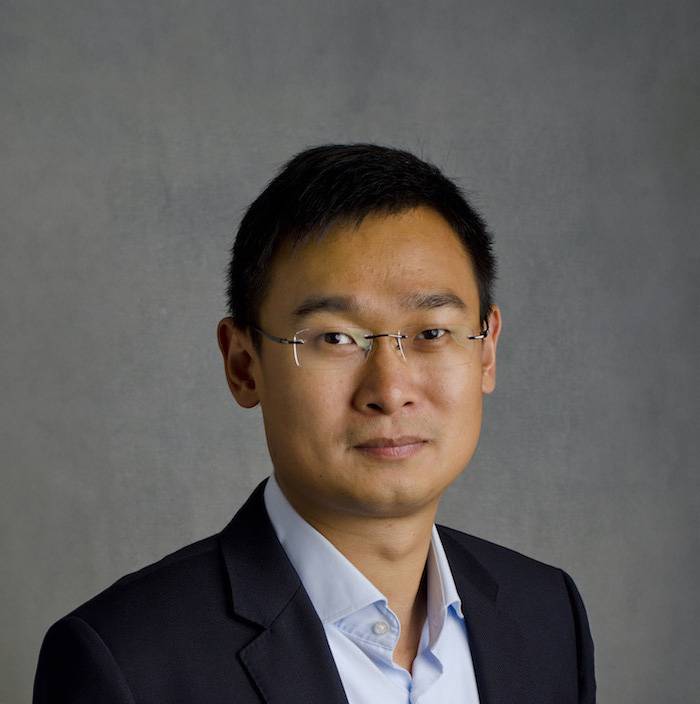
Dashun Wang
2020
For their pioneer contributions to the science of science and success, having had an impact in multiple fields, from network science to computational social science and scientometrics.
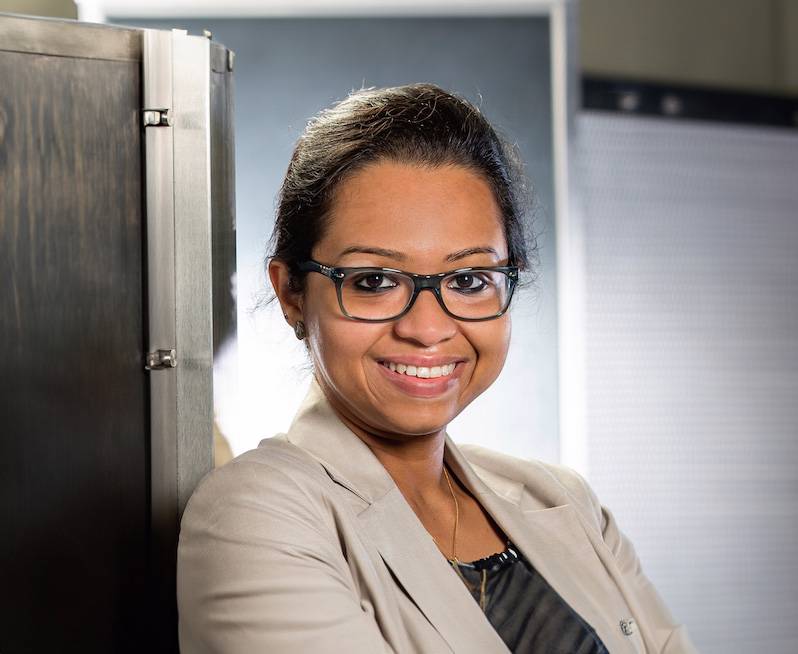
Munmun De Choudhury
2019
For her interdisciplinary work aimed at understanding human behaviour manifested via network interactions, with the aim to improve health and well-being.
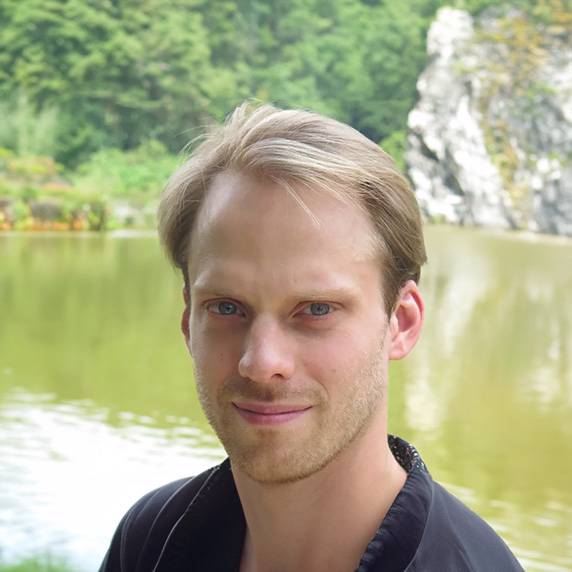
Sacha Epskamp
2019
For bringing complex systems thinking to psychology, while also tackling diverse topics of research in psychology from a multidisciplinary angle.
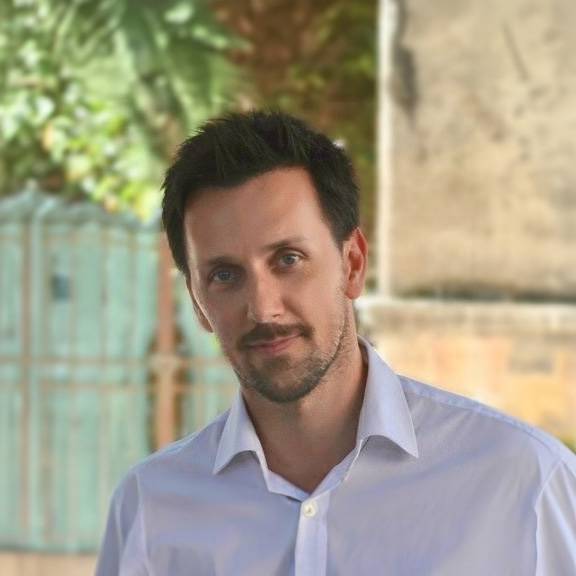
Fabrizio de Vico Fallani
2018
For his many outstanding contributions to Complex Systems science, specially for seminal works on time series analysis and on the structure and dynamics of the Brain.

Marton Karsai
2018
For his many outstanding contributions to Complex Systems science, specially for seminal works on temporal networks and Computational Social Science.
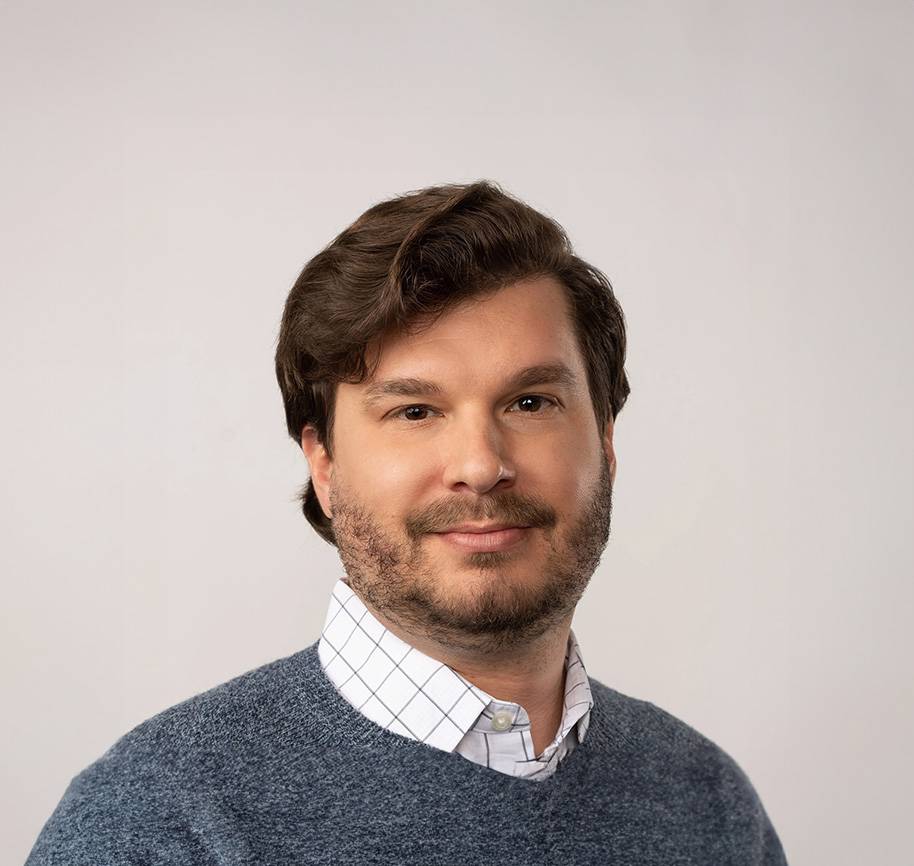
Dr. Samuel Scarpino
2017
For his outstanding contributions in infectious diseases, forecasting and predictive modeling, disease genomics and transcriptomics, outbreak surveillance, and decision-making under uncertainty.
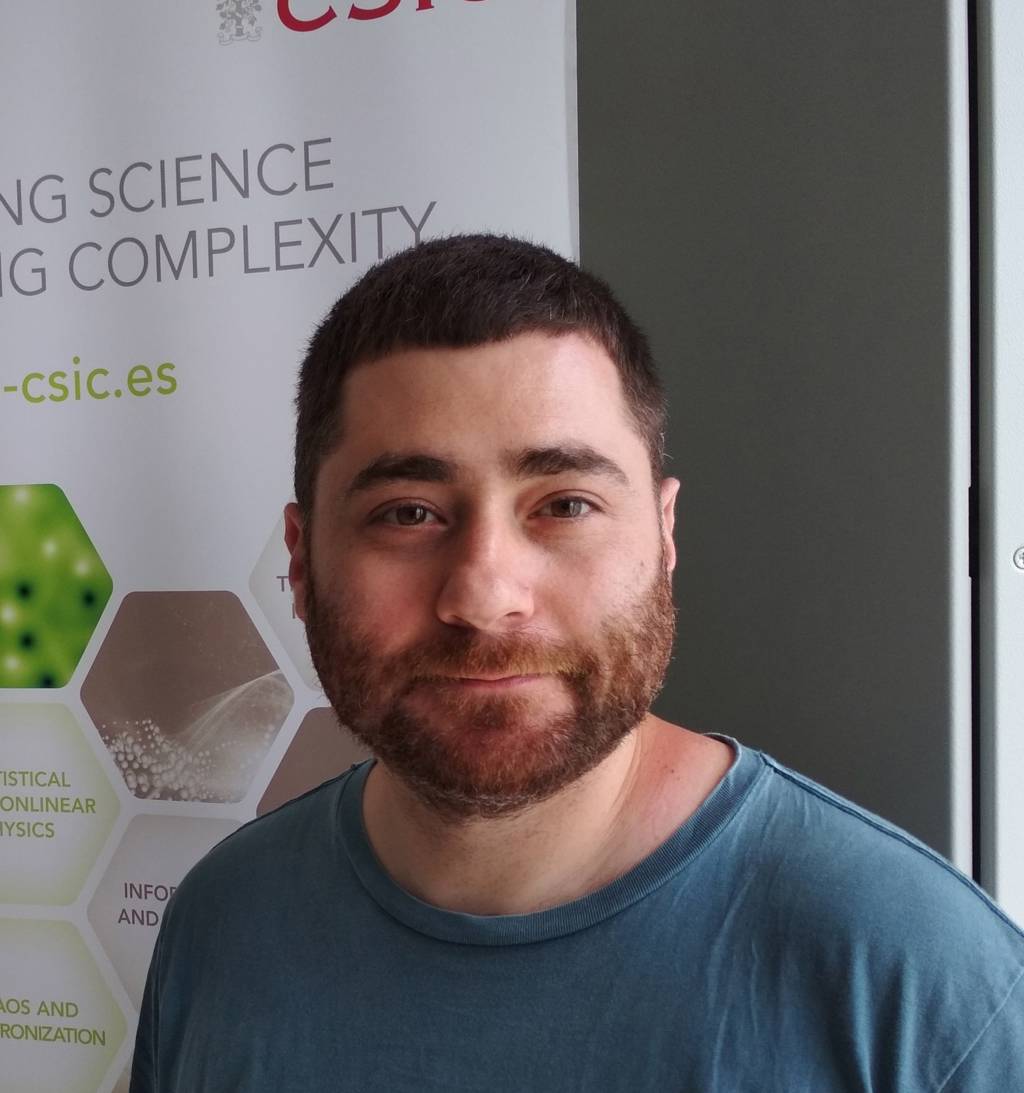
Dr. Sandro Meloni
2017
For setting the basis of what is now modern Network Science and for opening numerous paths in the application of networks to biological, social and natural systems, including pioneering topics such as control of networked systems, human mobility patterns, systems biology and computational social science.
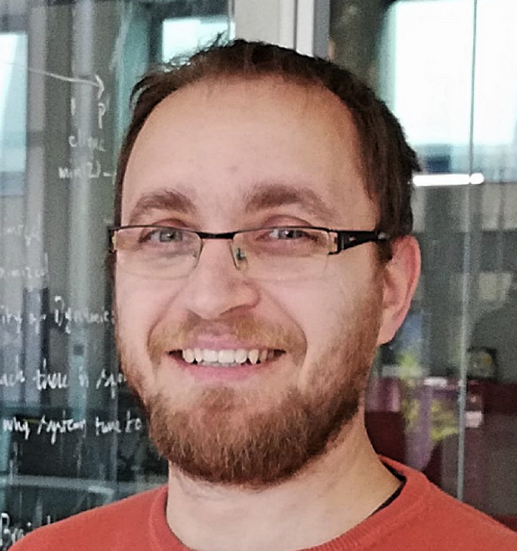
Manlio De Domenico
2016
For his contributions to the field of multilayer networks, including pioneering works on their mathematical formulation through tensorial representation and on the development of a visualisation algorithm, but also their application to study several topics such as human mobility, epidemic spreading or bibliometrics.
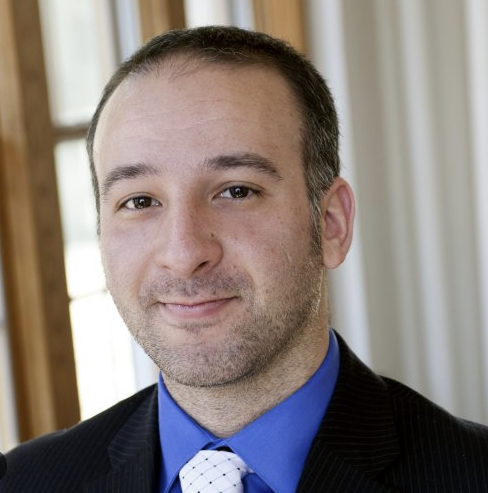
Emilio Ferrara
2016
For his contributions to computational social sciences. His works include the design and application of novel network-science models, algorithms, and tools to study phenomena occurring in large, dynamical techno-social systems.
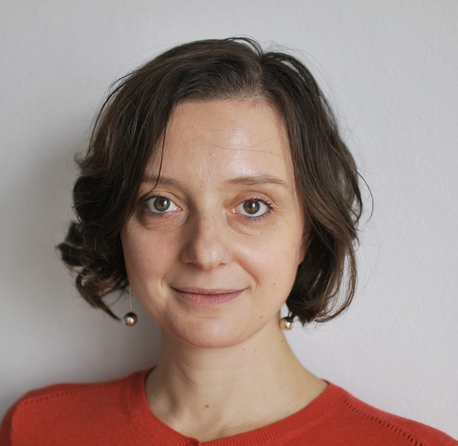
Chiara Poletto
2015
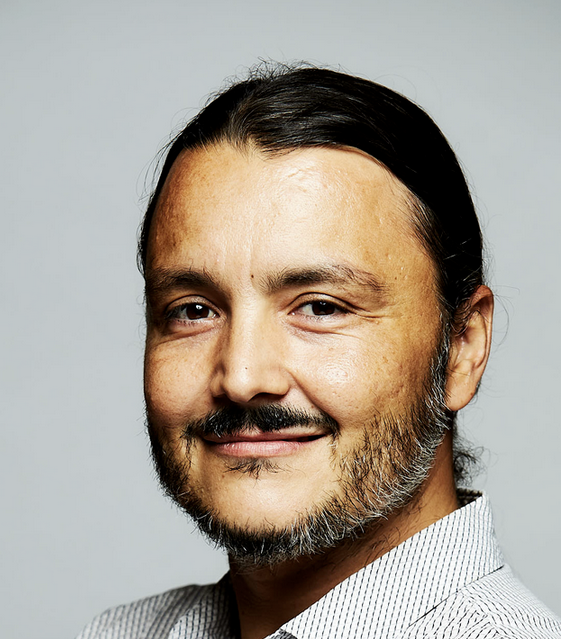
Bruno Gonçalves
2015
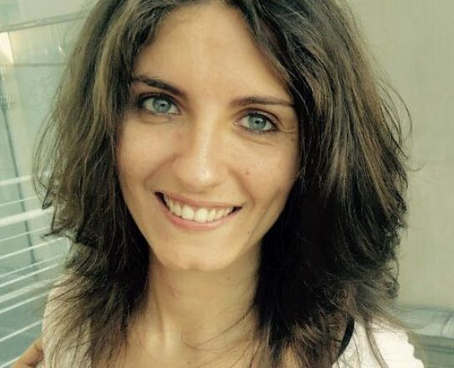
Giovanna Miritello
2014
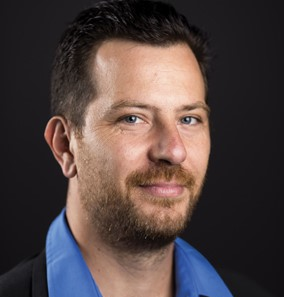
Filippo Radicchi
2014